Matter vs Thread vs Zigbee (2026): Explained Simply
Matter vs Thread vs Zigbee, finally explained: they aren't rivals. Matter is the language, Thread and Zigbee are the roads - and which you need in 2026.
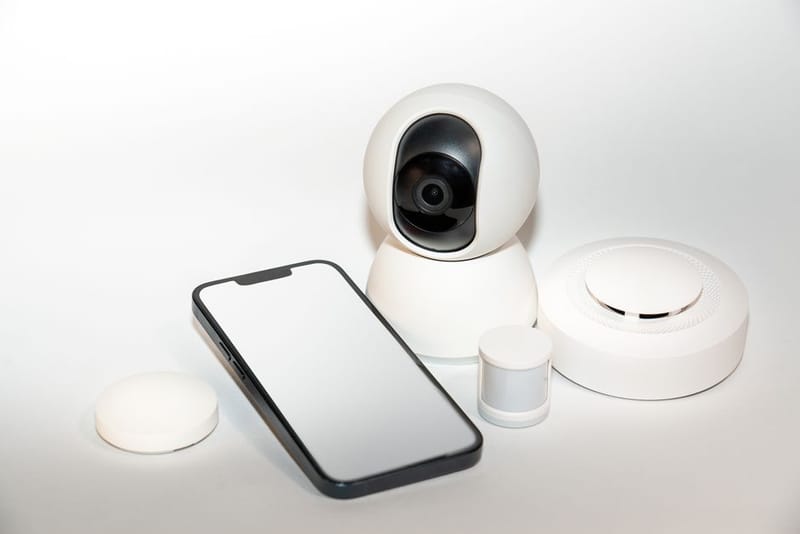

If these three words have ever made your eyes glaze over, you are not alone. The reason Matter, Thread and Zigbee are so confusing is that almost everyone explains them as if they are competing standards you have to pick between. They are not. They sit at different layers of how a smart home works, and once that clicks, the whole thing makes sense.
Here is the one-line version: Matter is the language, Thread and Zigbee are the roads. Matter decides what a message means - "turn the light on" - while Thread and Zigbee decide how that message physically travels between your devices. Let's untangle all three and work out what you actually need in 2026.
What is Matter?
The common language for the smart home
Matter (a cross-industry smart-home standard backed by Apple, Amazon, Google, Samsung and hundreds of others) is the thing the industry has been crying out for: one language every device speaks. A Matter-certified bulb works with Apple Home, Alexa, Google Home and SmartThings out of the box, with no bridges or hacks, because they all understand the same commands.
Crucially, Matter does not care how the message travels. It runs over Wi-Fi and Ethernet for mains-powered kit like cameras and plugs, and over Thread for low-power battery devices like sensors and locks. Bluetooth is used only for the initial setup. So when you read 'Matter over Thread', it just means a Matter device that uses Thread as its road. For the full picture, see our what is Matter guide.
What is Thread?
A modern, low-power mesh built on internet plumbing
Thread (a low-power wireless mesh networking protocol built on internet standards) is the new road Matter prefers for battery devices. It is a self-healing mesh: every mains-powered Thread device relays for its neighbours, so the network gets stronger as you add kit, and there is no single hub that brings everything down if it fails.
The catch is that a Thread network needs at least one Thread border router to connect it to your home Wi-Fi. The good news is you probably already own one - an Apple TV 4K, HomePod mini, Google Nest Hub or a recent Aqara or Eero device can all act as one. We go deeper in our Thread border routers guide.
What is Zigbee?
The old workhorse that still runs millions of homes
Zigbee (an established low-power, low-cost wireless mesh standard) has been quietly powering smart homes for well over a decade. It is also a self-healing mesh and sips battery, much like Thread, but it predates Matter and is not built on internet protocols, so it speaks its own language and needs a dedicated Zigbee hub to translate to the rest of your network.
What Zigbee has going for it is sheer maturity: thousands of certified products, rock-bottom prices and years of proven reliability. Philips Hue, Aqara and IKEA's older ranges are all Zigbee underneath. It is not going anywhere soon, and a good hub can bridge your Zigbee gear into a Matter setup so the two happily coexist.
- What it is
- Matter: a language (application layer). Thread & Zigbee: roads (network layer)
- Networking
- Matter: runs over Wi-Fi, Ethernet or Thread. Thread & Zigbee: self-healing mesh
- Internet-native (IP)
- Matter: yes. Thread: yes. Zigbee: no (needs a translating hub)
- Needs a hub or router
- Matter-over-Wi-Fi: no. Thread: a border router. Zigbee: a Zigbee hub
- Cross-platform
- Matter: yes (Apple/Alexa/Google/SmartThings). Thread/Zigbee alone: depends on the hub
- Battery life
- Thread & Zigbee: 1 to 3 years typical. Wi-Fi Matter devices: much shorter
- Device library (2026)
- Zigbee: largest and cheapest. Matter/Thread: growing fast, thinner on locks and cameras
How do they actually fit together?
The stack, in plain English
Picture three layers. At the top is Matter, the language your phone and voice assistant use. Underneath, a Matter device rides on one of two roads: Thread if it is a low-power battery device, or Wi-Fi if it is mains-powered. Zigbee sits slightly to one side: it is a third road, but because it is not Matter-native, a hub translates Zigbee devices up into Matter so everything appears in the same app.
That is why modern hubs increasingly support all three at once. A device like the Aqara M3 or a SmartThings hub will be a Zigbee hub, a Thread border router and a Matter controller simultaneously, which is exactly what you want if you are mixing old and new gear. Our SmartThings mixed-ecosystem guide shows this in practice.
Which should you choose in 2026?
It depends entirely on where you are starting
Already have a smart home? Stick with what you have, mostly Zigbee. If your Hue bulbs, Aqara sensors and Yale lock already work, there is no prize for ripping them out. Add a hub that also speaks Matter and Thread, and layer new devices on top.
Starting fresh or future-proofing? Lean Matter over Thread. It is the direction the whole industry is moving, it works across every major platform, and the mesh gets more reliable as you grow. Just make sure you have a Thread border router first.
On a tight budget? Zigbee still wins on price and choice. The device library is enormous and the kit is cheap, and a bridging hub keeps the door open to Matter later. If you are not sure whether you even need a hub, start with our do you need a smart-home hub guide.
Do you need a Thread border router?
Only if you are using Thread devices
Yes, if any of your devices are Matter-over-Thread. A Thread device cannot reach your home network on its own; it needs a border router to bridge the Thread mesh to your Wi-Fi. You only need one to get started, though more spread around the house improves coverage.
You very likely already own a border router without realising: an Apple TV 4K, HomePod mini, Google Nest Hub (2nd gen), recent Amazon Echo, Eero router or Aqara hub all qualify. If none of your devices use Thread - say you are all Wi-Fi and Zigbee - you do not need one at all.
Frequently asked questions
Is Matter replacing Zigbee?
What is the difference between Thread and Zigbee?
Do I need both Thread and Zigbee?
Will a Matter device work with Apple, Alexa and Google?
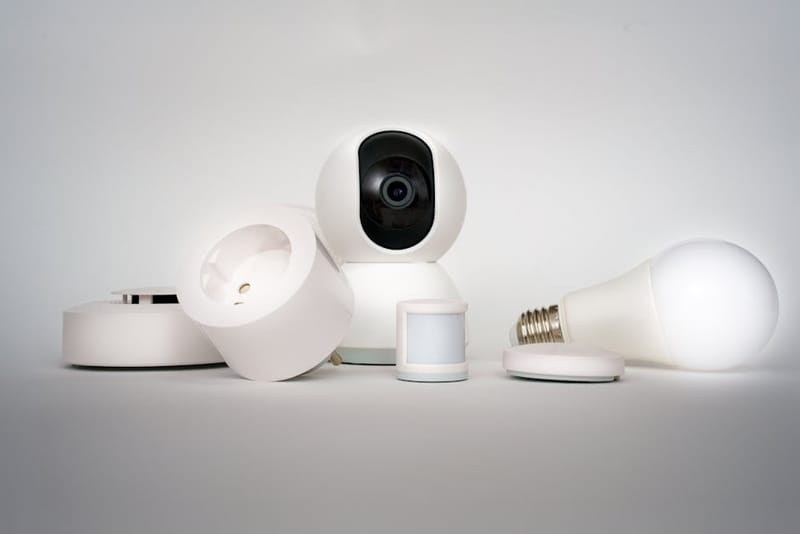
What Is Matter?
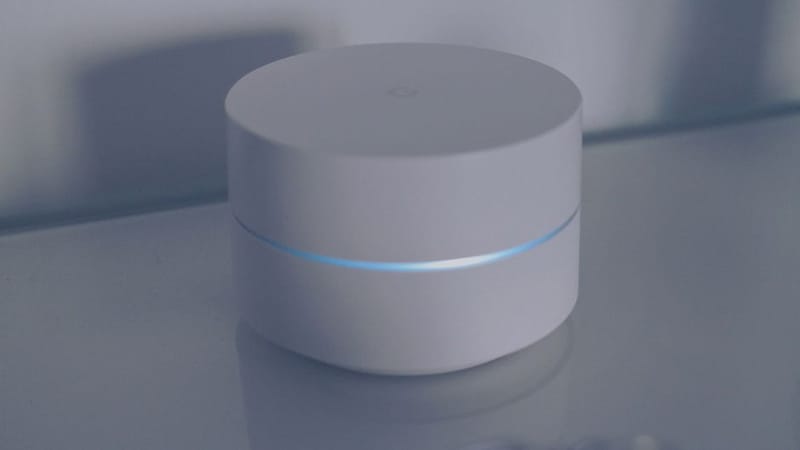
Best Thread Border Routers
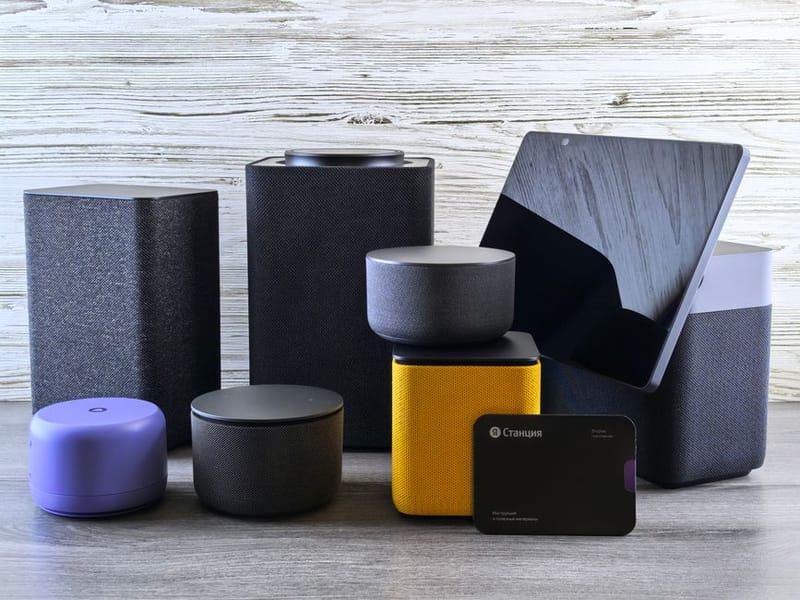
Do You Need a Smart-Home Hub?
Last reviewed June 2026. Sources: the Connectivity Standards Alliance (Matter and Zigbee), the Thread Group, and manufacturer documentation. The smart-home protocol landscape moves quickly - check current device certifications before buying.